Artists

Julien Fournival

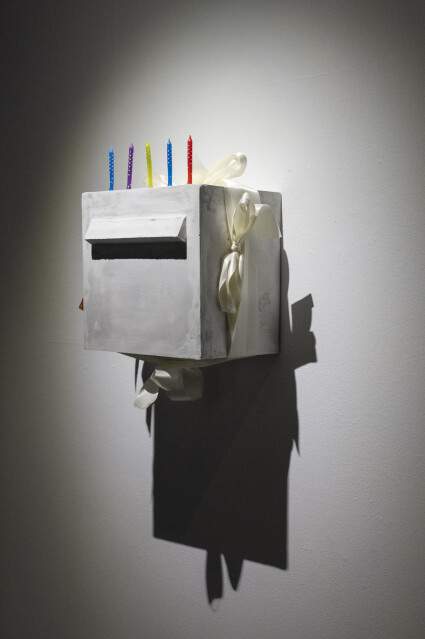
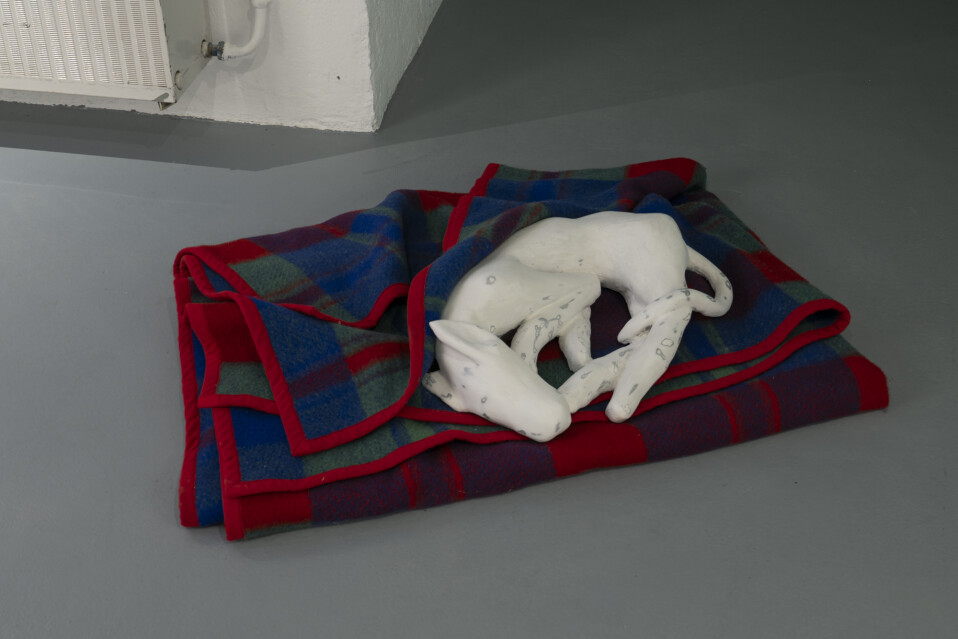
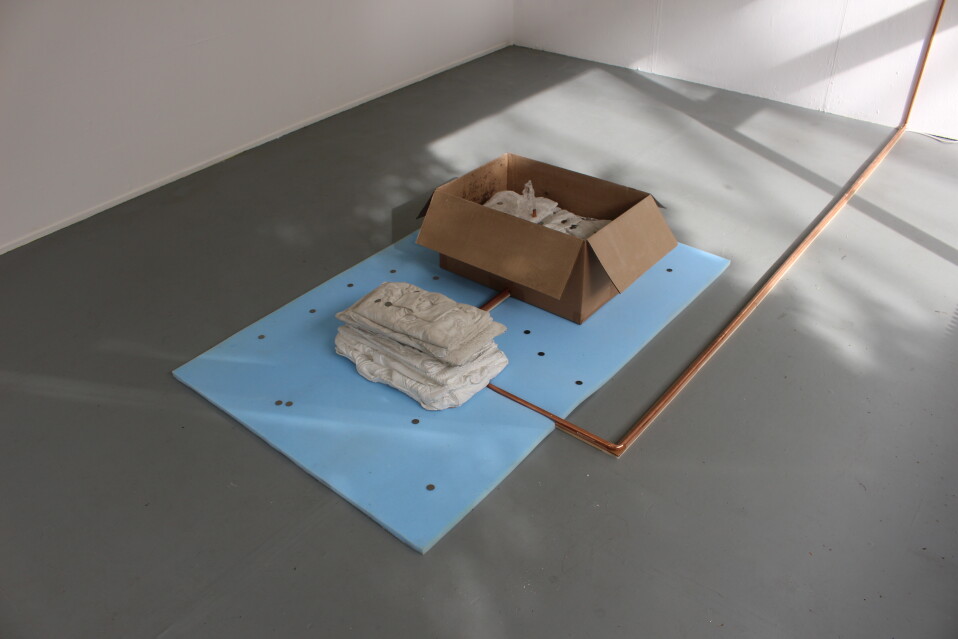
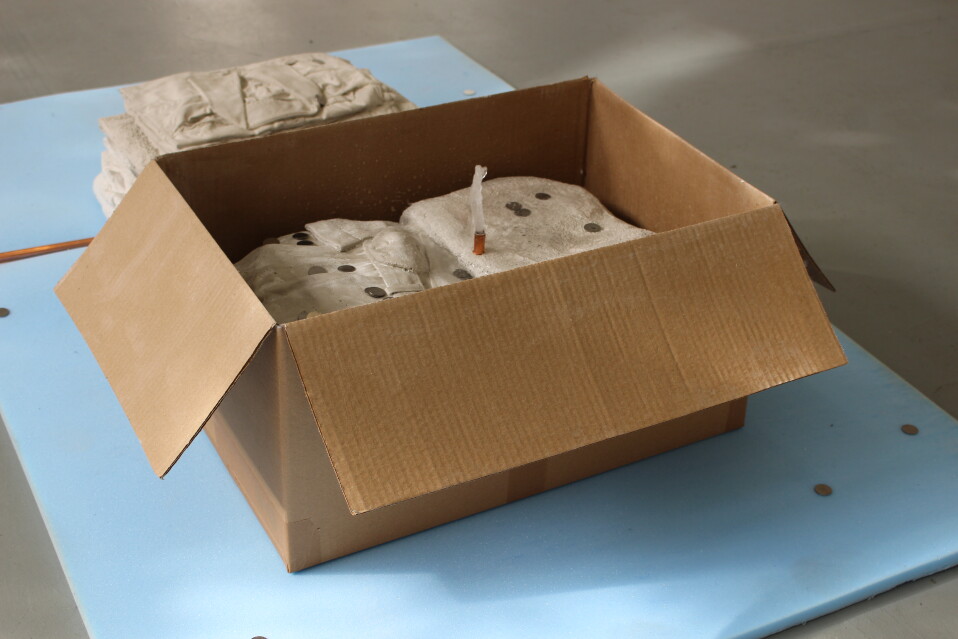
What remains of an object when it changes its location, its function or its affiliation? Julien Fournival (he/him) explores these processes of transformation. At the intersection between the domestic and the symbolic, he creates works that take the intimate as a starting point for shared experiences. The wooden modules serve simultaneously as containers, frames, living spaces and plinths. They contain found or gifted objects, which, cast as copies, retain their form without being identical to the original. Julien imbues them with associations: with memories, attributed values and a touch of superstition. Through their interconnection, the modules relate to one another, and viewers develop their own stories. It is a process similar to when we make a wish, avoid a bad omen, choose a number or carry an object with us: actions based on an unverifiable causality, yet to which we nevertheless attach value.

How do you choose an object to become part of an installation?
I am drawn to easily transportable objects, like something that can fit in a hand, a pocket, or a small bag. This particular scale naturally suggests ideas of circulation and exchange. I am also interested in objects independently of their potential market value, and more in their capacity to become gifts. Once chosen, the object becomes a starting point, or one of many links in a chain of relationships. In this sense, I am less interested in the object as an autonomous entity than in the relationships and stories that can accumulate around it.

Are you superstitious?
In my work, I believe that being superstitious is a way of relying, temporarily, on systems whose workings remain unclear to most people. This creates a space in which I can sketch or inhabit gray areas that don't require precise structures. What interests me about this space is that it allows chance to have as much importance as the more rigid value systems that govern much of our social structures. Superstition doesn't necessarily stem from a belief in something irrational; it's about leaving room for future possibilities that cannot be fully measured or controlled.